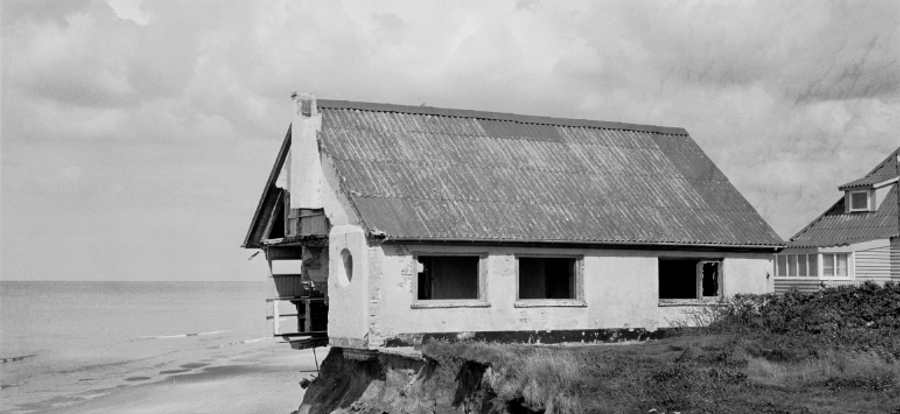
FRED PICKER was one of the last great black-and-white artists, a protégé of Ansel Adams. As founder of Zone VI Studios, he developed top quality field cameras and other equipment including innovative darkroom equipment. He taught the highly successful Zone VI Workshop and authored a book by the same name that has become recognized as the gold standard of photographic instruction. He also published quarterly newsletters on fine photography and printing for 20 years that are still in demand today. The book covers creating fine prints through the use of proper equipment and printing. Each beautiful photograph is accompanied by a lush description of the scene and notes on exposure, film, developing.

Excerpt from the first issue of the Zone VI Newsletter
From Zone VI Newsletter No. 1, August 1, 1973
“We who photograph seriously share an interest in the most exciting, expressive visual medium of our times. Photography has had a short history but we have already seen great accomplishments. Many of its early greats are gone – Hill & Adamson, Curtis, Stieglitz, Steichen and Weston. But Adams, Caponigro, Strand, Gagliani, Smith and others continue their search in the great tradition.” (Ed. Note: Remember, this was written in 1973.)
Picker described assisting his friend Paul Caponigro in producing his Portfolio II, consisting of 100 sets of eight prints.
“We began the printing with a lovely photograph of stones on a beach. It was a beautiful negative and seemed to present no problems. My guess is that more than a dozen test strips were made utilising different combinations of paper, developer, dilutions of developers, development times and developer additives such as glycin, B. B. solution, etc. Finally straight unmanipulated prints were made (from this one negative) – about 15 or 20. They were toned for various times in different dilutions, washed and dried. Each print’s formula had been listed on the back. Of these, Paul chose the single print that had the feeling, the atmosphere that he wanted to convey. The print “lived.” Two and one-half days of hard work lay behind us – but we had the formula. Dodging and burning procedures were minimal and quickly worked out, and 150 exquisite prints (from this one negative) were then produced.
The point is simple. It didn’t take two and one-half days to make one print because the photographer didn’t know what he was doing. It took two and one-half days because the photographer knew exactly what he was doing and was tirelessly determined to repeat the statement as clearly and beautifully as its original appearance in his minds’ eye.”
–Fred Picker